36° and Clear
Image
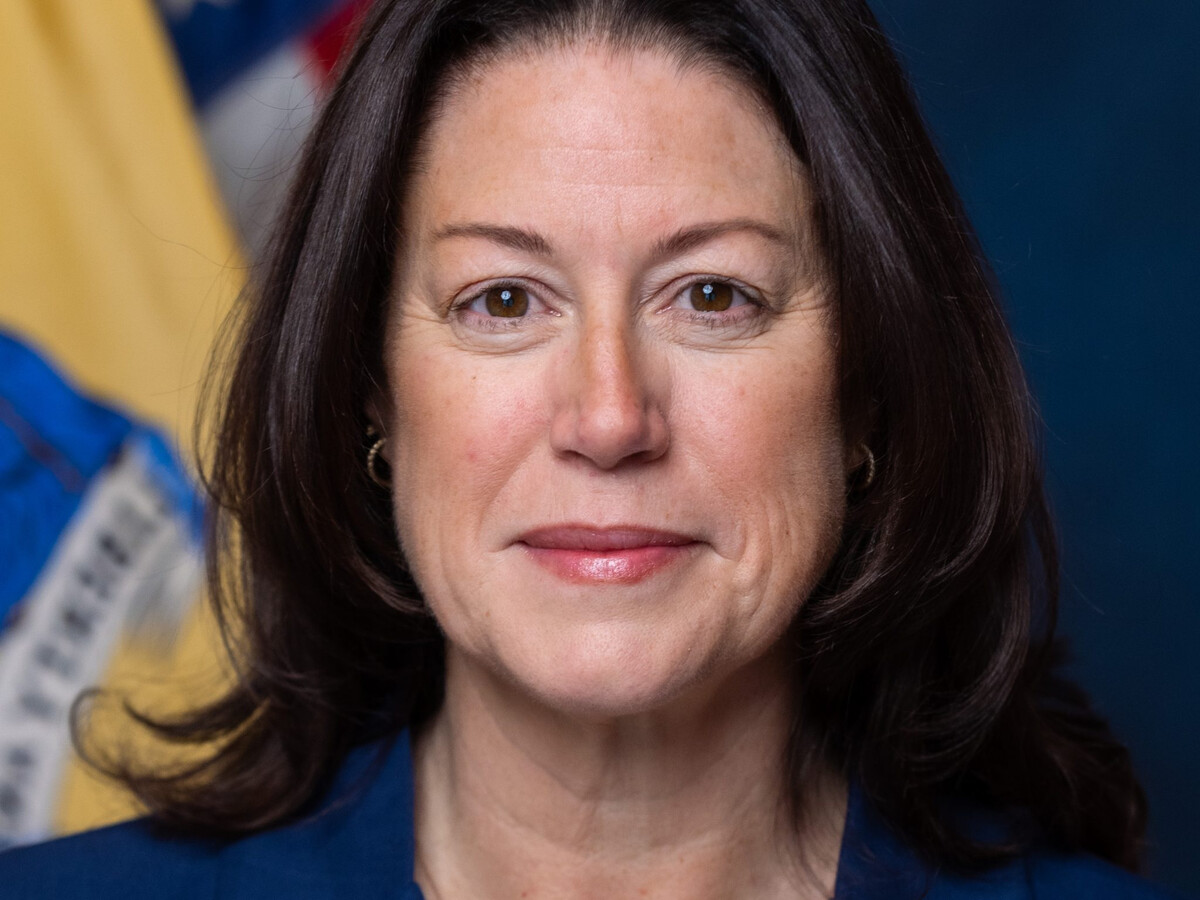
Attorney General Jennifer Davenport



TRENTON — Attorney General Jennifer Davenport co-led a coalition of 49 attorneys general today in calling on the Federal Communications Commission (FCC) to strengthen rules that would cut off scammers’ access to legitimate telephone numbers. Without that access, scammers can’t use real numbers to deceive and scam Americans. The Anti-Robocall Multistate Litigation Task Force asked the FCC to work on this issue in 2021, and New Jersey is now co-leading the coalition’s response to proposed FCC rules.
“Robocalls aren’t just annoying and illegal. They expose New Jerseyans to rampant scams and fraud that threaten their life’s savings,” said Attorney General Davenport. “While states like New Jersey will continue to enforce the law to hold scammers accountable, preventing unwanted robocalls in the first place requires meaningful action from the FCC. The FCC must take immediate action to stop robocalls in their tracks.”
Last year, Americans received approximately 29.6 billion scam robocalls and texts and lost nearly $2 billion to these scams. In the past, scammers had made robocalls largely by illegally “spoofing” other people’s phone numbers to make it look like a call was coming from a legitimate company or government agency. But scammers can’t easily use this practice anymore after the federal government and state attorneys general took action to cut down on illegal spoofing. Now, scammers often purchase legitimate phone numbers and use them to make robocalls.
While most legitimate businesses use the same phone number for many years, scammers cycle through millions of brand-new phone numbers, which helps them avoid detection by spam filters. In one North Carolina case, scammers made more than 17.3 million calls on a single day through one phone company – but they generally didn’t use the same number more than twice to make those calls, which is a common tactic among scammers.
The bipartisan attorneys general are asking the federal government to do more to address the problem, including:
Attorney General Davenport is co-leading this letter with the attorneys general of North Carolina, Ohio, and Pennsylvania, and is joined in signing the letter by the attorneys general of Alabama, Alaska, American Samoa, Arizona, Arkansas, California, Colorado, Connecticut, Delaware, District of Columbia, Georgia, Hawaii, Idaho, Illinois, Indiana, Iowa, Kansas, Kentucky, Louisiana, Maine, Maryland, Massachusetts, Michigan, Minnesota, Mississippi, Missouri, Nebraska, Nevada, New Hampshire, New Mexico, New York, North Dakota, Oklahoma, Oregon, Rhode Island, South Carolina, South Dakota, Tennessee, Utah, Vermont, Virginia, Washington, West Virginia, Wisconsin, and Wyoming.