41° and Mist
Image



SOMERVILLE, NJ – The Somerset County Department of Health (SCDOH) recognizes October 22-28, as National Lead Poisoning Prevention Week. SCDOH is committed to raising awareness about the danger of lead exposure and preventing its serious health effects, through educating residents on how to reduce exposure to lead and the importance of testing children for lead.
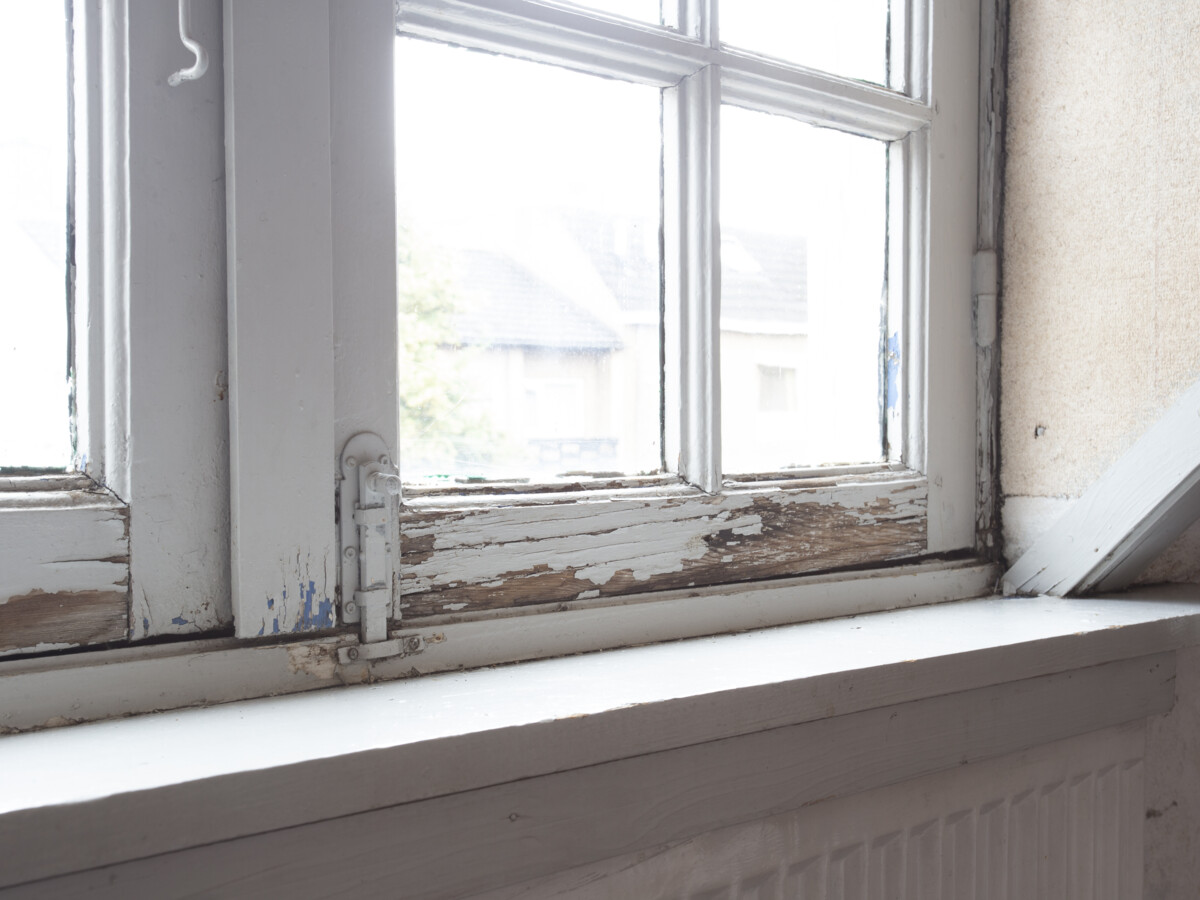
“While the United States has made great strides in reducing residential and workplace environmental lead, it is still present in water that travels through old lead pipes, in lead-based paint on windows, baseboards, and walls, and in some consumer products and food from other countries,” said Somerset County Deputy Director Doug Singleterry, liaison to the Department of Health. “These lead hazards provide not just a current risk to our children but can cause lifelong behavioral and intellectual deficits and must be addressed as soon as possible.”
There is no safe blood lead level for children, and every effort should be made to remove lead from their environment. Even low levels of lead in the blood can cause developmental delays, difficulty learning, and behavioral issues. Most children exposed to lead have no visible signs or symptoms. The best way to know if a child has been exposed to lead is to have their blood tested by your healthcare provider.
The good news is that childhood lead poisoning is preventable. It is important to know where lead can be found throughout a child’s environment to identify potential lead and remove it immediately. Common sources of lead exposure include:
Children younger than 6 years old are at a higher risk from exposure to lead because their bodies are still developing and rapidly growing. The most common source of lead exposure among young children is lead dust that they swallow after placing their lead-contaminated hands or other objects in their mouths.
Lead can also pass from a parent to their unborn baby during pregnancy. If an adult has been exposed to lead over a long period of time or has had high levels in their blood in the past, the lead stored in their bones can be released into the blood during pregnancy.
Parents and caregivers should take steps to prevent lead exposure before it occurs. Learn how to protect your family from lead exposure:
More information about childhood lead poisoning, visit the Centers for Disease Control and Prevention at https://www.cdc.gov/nceh/lead/default.htm, New Jersey Department of Health at https://www.nj.gov/health/childhoodlead/, or the Somerset County Department of Health at https://www.co.somerset.nj.us/government/public-health-safety/health-department/lead-poisoning