45° and Clear
Image
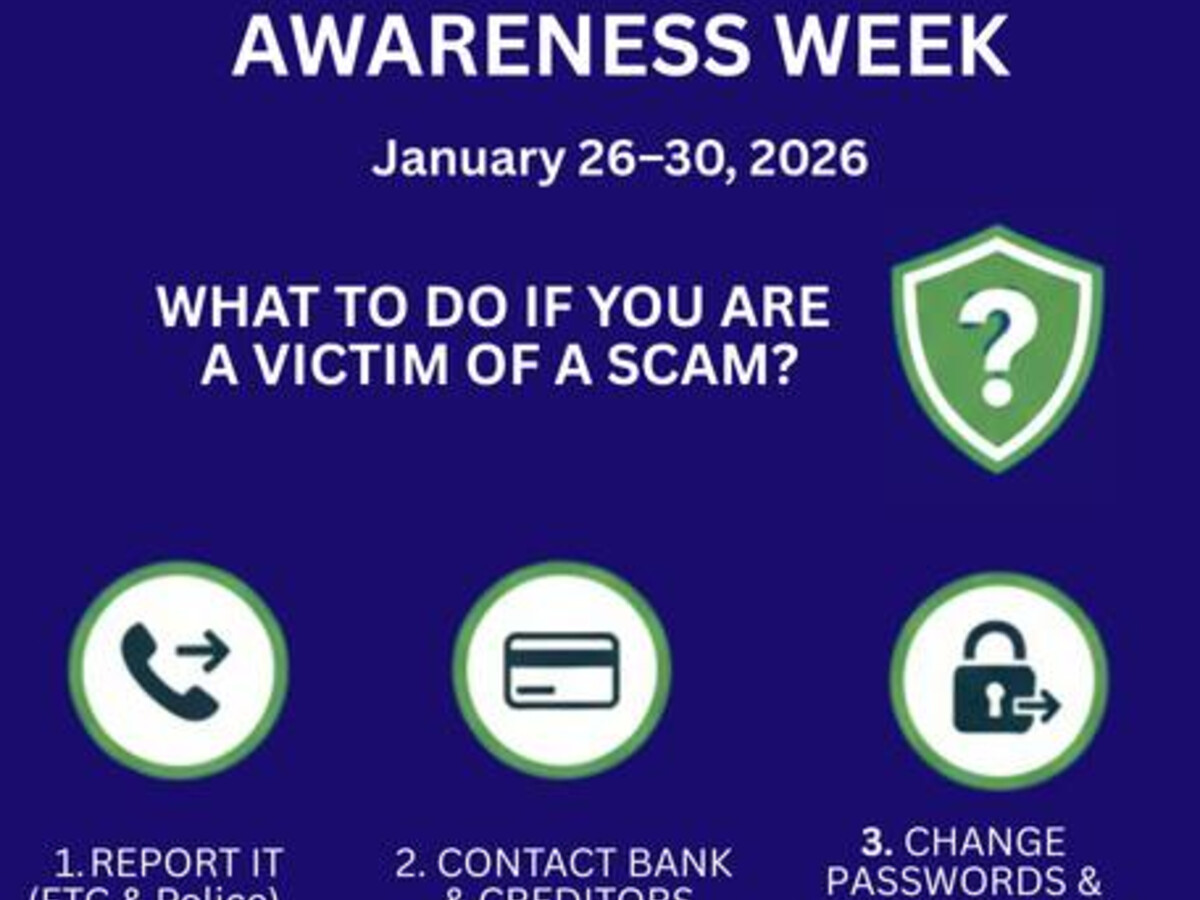



Scams are increasingly sophisticated, and even the most cautious people can fall victim. When it happens, quick action can limit the damage and, in some cases, help you recover lost money. This article breaks down the Federal Trade Commission’s (FTC) guidance into a clear, community‑friendly resource.
Check out what’s going on in your state or metro area by visiting ftc.gov/exploredata.
Understanding the Situation
Scammers use phone calls, emails, texts, and social media to trick people into sending money or sharing sensitive information. If you realize you’ve been scammed, acting fast is essential—whether you paid a scammer, shared personal information, or allowed access to your device.
1. If You Paid a Scammer
Your next steps depend on how the payment was made. In every case, contact the company or financial institution immediately and report the transaction as fraudulent.
Credit or Debit Card
Unauthorized Bank Transfer
Gift Cards
Wire Transfer (Western Union, MoneyGram, Ria, etc.)
Money Transfer Apps (Venmo, Cash App, Zelle, etc.)
Cryptocurrency
Cash Sent by Mail
2. If You Gave a Scammer Your Personal Information
Username and Password
3. If a Scammer Accessed Your Computer or Phone
Remote Access to Your Computer
Control of Your Phone Number or Account
4. Report the Scam
Reporting helps the FTC track patterns, build cases, and warn others.
Report scams at:
👉 ReportFraud.ftc.gov
You can also explore scam trends in New Jersey and nationwide at:
👉 ftc.gov/exploredata
Why Reporting Matters
Even if you can’t recover your money, reporting:
Final Thoughts
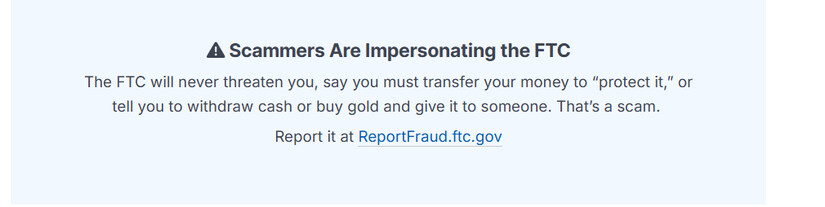
Being scammed can feel overwhelming, but you’re not alone—and quick action can make a meaningful difference. The FTC emphasizes that they will never threaten you, demand money, or instruct you to move your funds to “protect” them. Any such message is a scam.