56° and Clear
Sexual Assault Awareness Month: Understanding Hidden Forms of Abuse — and How Online Spaces Are Fueling New Risks


April is Sexual Assault Awareness Month, a time to raise awareness, support survivors, and inform people of all ages about the forms of abuse that often go unseen.
While many people think of sexual assault as something that happens between strangers, the reality is that most abuse occurs within relationships, families, or trusted circles — and increasingly, online spaces are making the problem worse.
Advocates across the country are reporting several emerging trends that every community should understand.
Sexual Assault Within a Marriage or Relationship
Many survivors don’t realize that sexual assault can occur within a marriage or partnership. Consent must be freely given every time. Pressure, threats, manipulation, or fear invalidate consent — even in long‑term relationships.
This form of abuse is often hidden because survivors may feel confused, ashamed, or afraid they won’t be believed.
Several news shows have reported on this trend and the website that has over 10 millions subscribers uploading videos of sexual assault of their spouse.
Large Online Communities That Normalize Abuse
Advocates are increasingly concerned about large online groups and channels — some with millions of followers — that promote harmful attitudes about sexual violence, coercion, and domination.
These spaces:
• Spread misinformation about consent
• Encourage abusive behavior in relationships
• Normalize sexual violence as “acceptable” or “deserved”
• Target young men and boys with manipulative messaging
• Create environments where survivors feel silenced or blamed
The scale of these communities — some reaching audiences in the millions — means harmful ideas spread quickly and can influence real‑world behavior.
Parents, caregivers, and educators should be aware that young people may encounter these messages online without recognizing them as dangerous.
Abuse of Individuals With Disabilities
People with disabilities experience higher rates of sexual violence, often from caregivers or trusted individuals. Barriers to reporting make this form of abuse especially hidden.
Where to Get Help in Somerset County
Safe+Sound Somerset provides free, confidential services for children, teens, adults, and families experiencing dating, domestic, or sexual violence.
• Website: safe-sound.org
• Call or Text 24/7: (866) 685‑1122
They offer counseling, legal advocacy, safety planning, emergency housing, and compassionate support for anyone affected.
More News from Raritan
- Lanterns and Crafts Highlight Bridgewater Commons’ Fifth Annual Chinese Mid-Autumn Festival 2026, as the Year of the Fire Horse, was among 20 spectacular illuminated displays at Bridgewater Commons’ Chinese Mid-Autumn Festival.
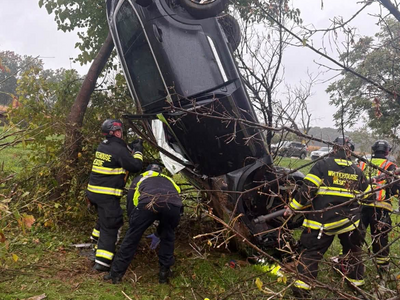
- Coordinated Rescue on Route 78 Highlights Exceptional Teamwork ICYMI - Whitehouse Rescue Squad, Readington, NJ