52° and Clear
Image
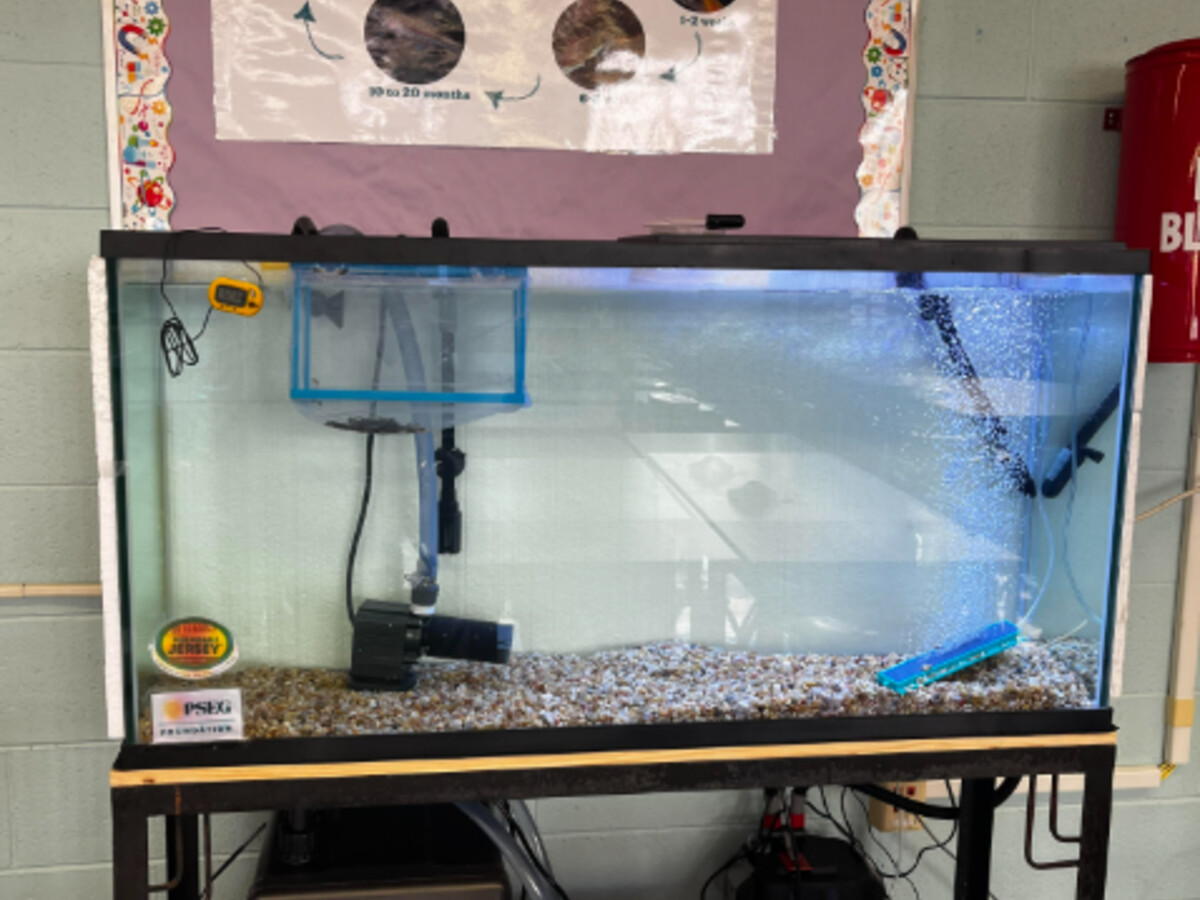



Seventh‑grade students recently participated in the Trout in the Classroom program, an immersive environmental education experience sponsored by Sustainable Jersey and the PSEG Foundation. Over the course of several months, students raised trout from eggs to fingerlings in their classroom aquarium, gaining a firsthand understanding of aquatic life and the delicate balance of local ecosystems.
Throughout the project, students monitored water quality, studied habitat conservation, and explored how human activity affects the environment. What began as a simple tank in the corner of the room quickly became a daily point of curiosity and learning.
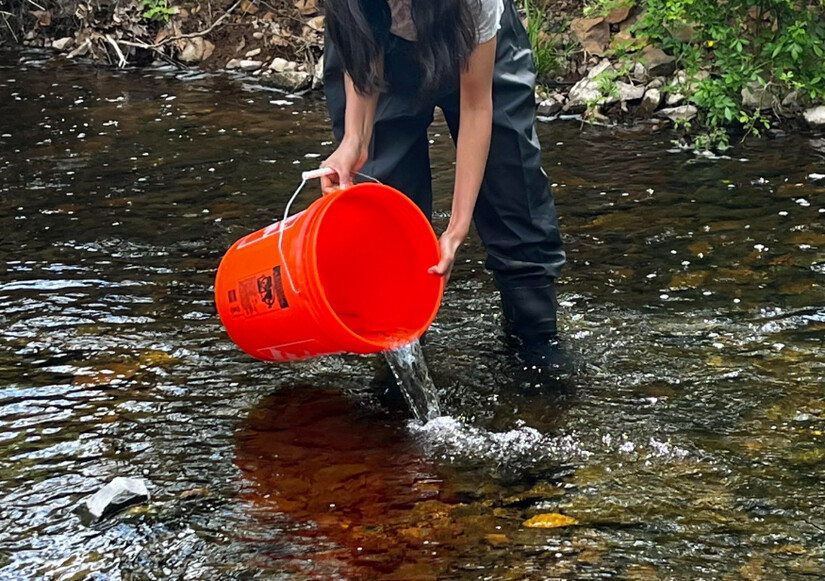
The program culminated with the release of the young trout into Middle Brook in Bridgewater, where students helped return the fingerlings to their natural habitat. The moment was both educational and emotional — a powerful connection between classroom lessons and real‑world environmental stewardship. Here are a few responses from the Science Teacher Jennifer A. Johnson, who spearheaded this project,
What did you hope students would take away from participating in Trout in the Classroom this year?
I really hope that students learn to appreciate nature and all of the other living organisms that make up our community. I hope they look beyond themselves and appreciate how animals depend on us to care for their habitat to help their survival!
Were there any moments in the classroom when you could see the students’ understanding or excitement really click?
The students loved observing the trout in little containers at their desk. They were able to observe many developmental changes as the trout grew and developed. There was one big trout named “Gilbert,” and he would eat the smaller fish! That was very exciting to watch and a great example of survival of the fittest!
How did raising trout from eggs change the way students thought about ecosystems or environmental science?
We started with 250 eggs and ended up releasing 60. Seeing the number of fish decrease, especially right after the hatching stage, really put into perspective how hard survival can be. Many times kids think that organisms will survive as long as they are cared for. However, when they see how many fish die from the environment, they learn that there are a lot of factors that need to happen correctly for the fish to survive.
How did the support from Sustainable Jersey and the PSEG Foundation help make this experience possible for your students?
This program would not have happened without funding. I am incredibly grateful to PSEG and Sustainable Jersey for giving me the opportunity to attain the needed money to run the program. Thanks to them, I will be able to do this program every year until the end of my career!
Why do you think partnerships like this matter for hands‑on science learning?
My goal as a science teacher is to teach science in a dynamic way, which means incorporating hands-on activities. Activities require materials which cost money, and the cost adds up quickly. Additional money is always needed to do activities that go beyond the curriculum, so it is amazing when businesses in the community offer opportunities to fund projects.
What skills or habits did you see students develop throughout the project — curiosity, responsibility, teamwork?
I saw students grow attached to the fish. I saw them become invested in their survival and curious to see how they grow and develop, as well as learn what they need to survive.
Did any student reactions surprise you during the release at Middle Brook?
I am not sure anything surprised me, but it made my heart happy to see the students asking to help in any way as we prepared the fish to go to the river as well as carry them to the river. Some students have never had a pet or cared for an animal, and I think this experience provided a chance for them to develop a sense of responsibility, learn how to look after a living thing.
Why is it important for students to engage with local waterways like Middle Brook?
Many of us, including me, were surprised to learn that trout live so close to where we live! The trip gave us the opportunity to explore a beautiful park located less than 10 minutes from our school. Since trout can only survive in cold, clean water, discovering them in a river that flows through Bridgewater helped students better understand the importance of protecting our local environment!
How do you think this project helps students see themselves as environmental stewards in their own community?
The trout project helps students see themselves as environmental stewards because they are directly responsible for caring for living organisms and monitoring the conditions needed for the trout to survive. Through raising trout in the classroom, students learn that clean, cold water is essential for healthy trout populations. When they discover that trout live in local streams and rivers, they begin to understand that their actions can impact the health of those ecosystems. Releasing the trout into a local waterway helps students make a personal connection to their community and reinforces the idea that protecting the environment is something they can actively participate in, not just learn about in a textbook.
What would you love to expand or explore in future years of the program?
I would love to bring the students to the Pequest Hatchery so they can see all the work that goes into getting the eggs that we hatch. Getting a tour of the facility and fishing in their trout stocked lake would be amazing! I think the students would really enjoy that.
How do you hope this experience influences students long after the project ends?
I hope the trout project leaves a lasting impression on students and inspires them to become good stewards of the environment. I hope that raising the trout creates a spark in the students' hearts to care for the world we all share.